






Hydrogen as a selective antioxidant
The 2007 paper that put molecular hydrogen on the research map, and why the word “selective” matters.
- Study typeLab study
- Who took partCells + rats
- How longAcute
The short version
- 01Hydrogen reduced the hydroxyl radical, the most damaging reactive oxygen species, and protected cultured cells.
- 02It did not react with the reactive species the body uses as signals.
- 03In rats, inhaling 2% hydrogen gas reduced brain injury after a stroke-like event.
The problem: too many free radicals
Every cell turns food and oxygen into energy, and that process throws off reactive oxygen species (ROS) as a by-product. In small amounts many of them are useful: the body uses them as signals for immune defence, for adapting to exercise and more.
Trouble starts when they build up faster than the body can deal with them. That imbalance is called oxidative stress. The most aggressive of these molecules, the hydroxyl radical, reacts with almost anything it touches, including fats, proteins and DNA.
What the researchers did
A team at Nippon Medical School tested molecular hydrogen (H₂) in two settings. First in cultured cells exposed to oxidative stress, then in rats that had a temporary blockage of blood flow to the brain, a model of stroke, while breathing air containing 2% hydrogen gas.
They then looked at which reactive species hydrogen actually reacted with, and whether cells and brain tissue were protected.
The study
Nature Medicine 13:688–694 · 2007
Ohsawa I, Ishikawa M, Takahashi K, et al. Hydrogen acts as a therapeutic antioxidant by selectively reducing cytotoxic oxygen radicals.
Read the original paperDOI 10.1038/nm1577
What they found
Hydrogen reduced the hydroxyl radical (and peroxynitrite, another strong oxidant) and protected the cells. It did not react with the other reactive species that have normal jobs in the body.
In the rat model, inhaling hydrogen markedly reduced brain injury. The authors put this down to hydrogen buffering oxidative stress, helped by the fact that it is small enough to pass easily through membranes and reach the places those radicals form.
Reacted with
The most damaging oxidants
- •OHHydroxyl radical
- ONOO⁻Peroxynitrite
Left alone
Reactive species with normal signalling jobs
- O₂•⁻Superoxide
- H₂O₂Hydrogen peroxide
- NO•Nitric oxide
Hydrogen seemed to target only the most damaging radicals, and leave the useful ones alone.
Why “selective” is the interesting part
Broad antioxidants can mop up the useful signalling molecules along with the harmful ones. The paper's headline idea was that hydrogen seemed to target only the most damaging radicals and leave the rest alone.
That selectivity is a big reason this paper is so widely cited. It kicked off the field of hydrogen research: hundreds of studies have followed, from cell work to human trials.
What this study doesn’t show
- It was a lab study in cells and rats, not a trial in people.
- The animals inhaled hydrogen gas; they did not drink hydrogen water.
- It says nothing about any specific product, dose or health outcome in humans.
The bottom line
A landmark lab study showing hydrogen can act as a selective antioxidant. It explains why scientists got interested, and it is a starting point rather than proof of benefits in people.
Sources
- [1]Ohsawa I, Ishikawa M, Takahashi K, et al. Hydrogen acts as a therapeutic antioxidant by selectively reducing cytotoxic oxygen radicals.Nature Medicine 13:688–694, 2007
- [2]Ichihara M, et al. Beneficial biological effects and the underlying mechanisms of molecular hydrogen: comprehensive review of 321 original articles.Medical Gas Research 5:12, 2015
- [3]Dhillon G, et al. Hydrogen Water: Extra Healthy or a Hoax? A Systematic Review.International Journal of Molecular Sciences 25(2):973, 2024
This article is an educational summary of published research on molecular hydrogen. It is not medical advice, and these statements have not been evaluated by the Food and Drug Administration. OG Hydro products are not intended to diagnose, treat, cure, or prevent any disease. Talk to a qualified healthcare professional before changing your routine.
Keep reading
More from the research library
Inflammation · 5 min read
Hydrogen water and markers of inflammation
A four-week controlled trial in healthy adults looked at what drinking hydrogen-rich water does to inflammation-related signals in the blood.
Read the article
Exercise & recovery · 5 min read
Molecular hydrogen, endurance and fatigue
A pilot study with elite soccer players asked whether a week of hydrogen-rich water changes how muscles cope with hard exercise.
Read the article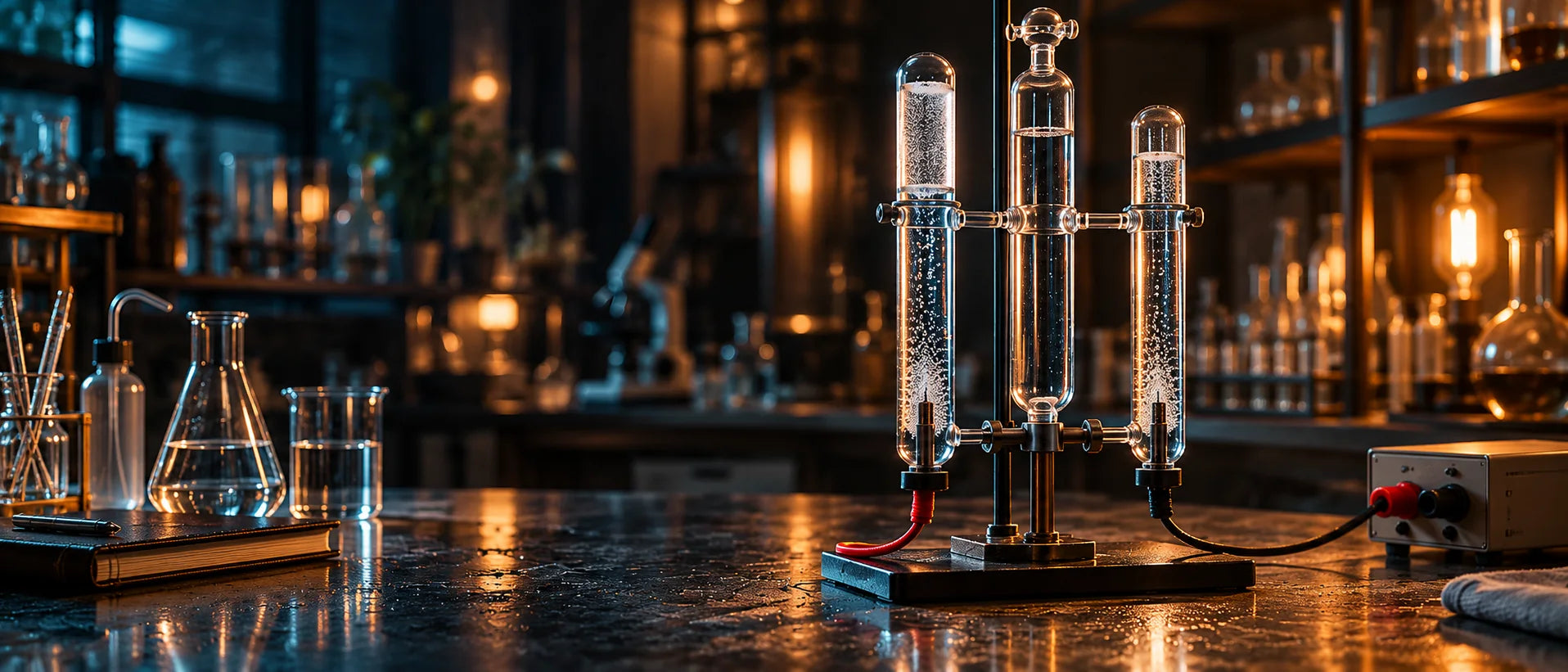
How it works · 5 min read
How a bottle makes hydrogen water
What actually happens when you press the button, what the thin membrane inside is for, and what a 2021 lab test found in the water afterwards.
Read the articleFrom the research to your glass
Two ways to drink it.
On the go
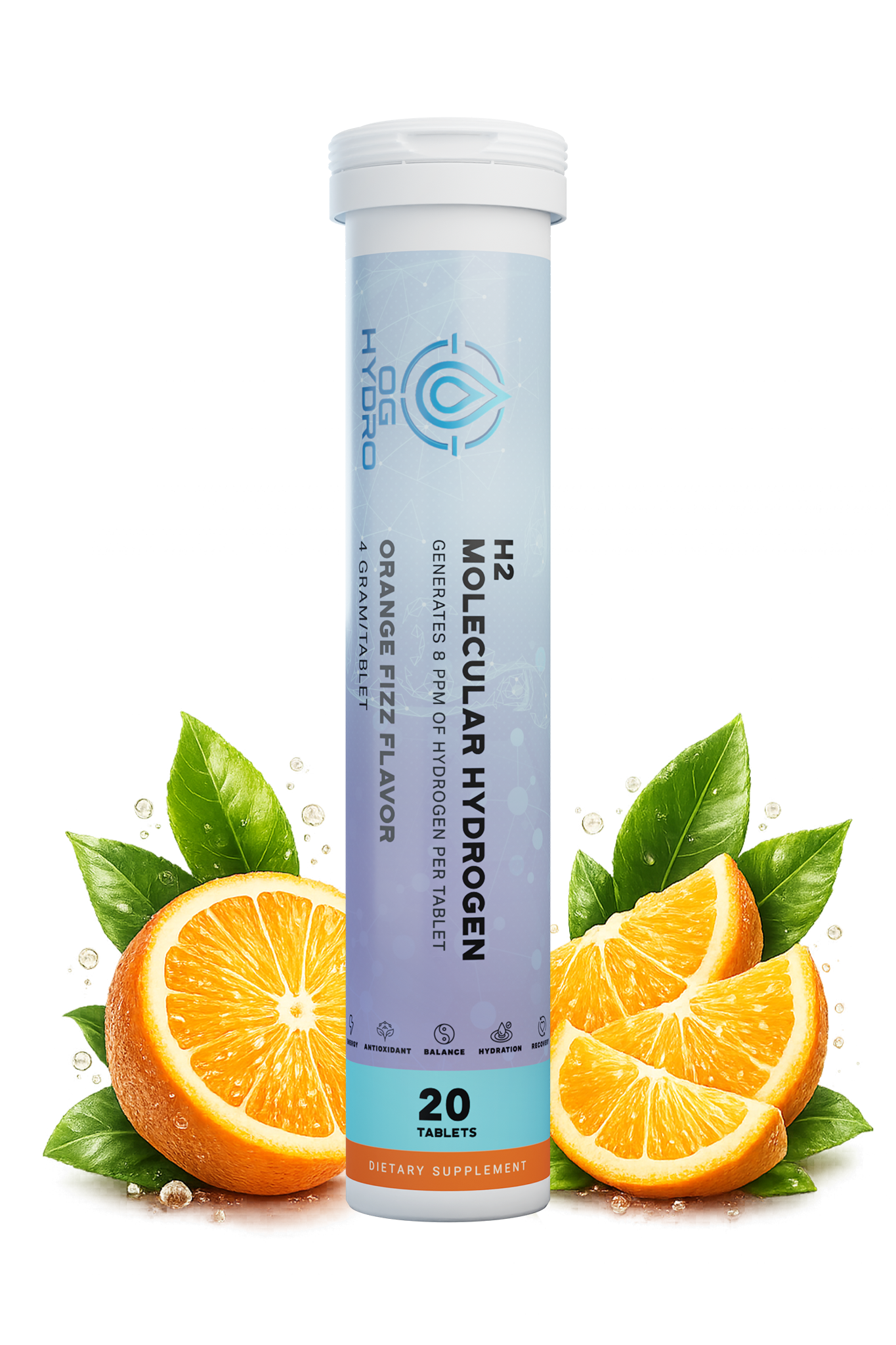
Hydrogen Tablets
Drop one into any glass of water. Six flavours, zero sugar, zero caffeine.
- 8 ppmH₂ per tablet
- 20per tube
- 6flavours
At home
The OG Hydro Bottle
Brews fresh hydrogen water on demand with lab-grade electrolysis. Nothing to repurchase.
- 5 ppmpeak per brew
- −500 mVantioxidant ORP
- 18–25uses per charge
